Think Like a Farmer
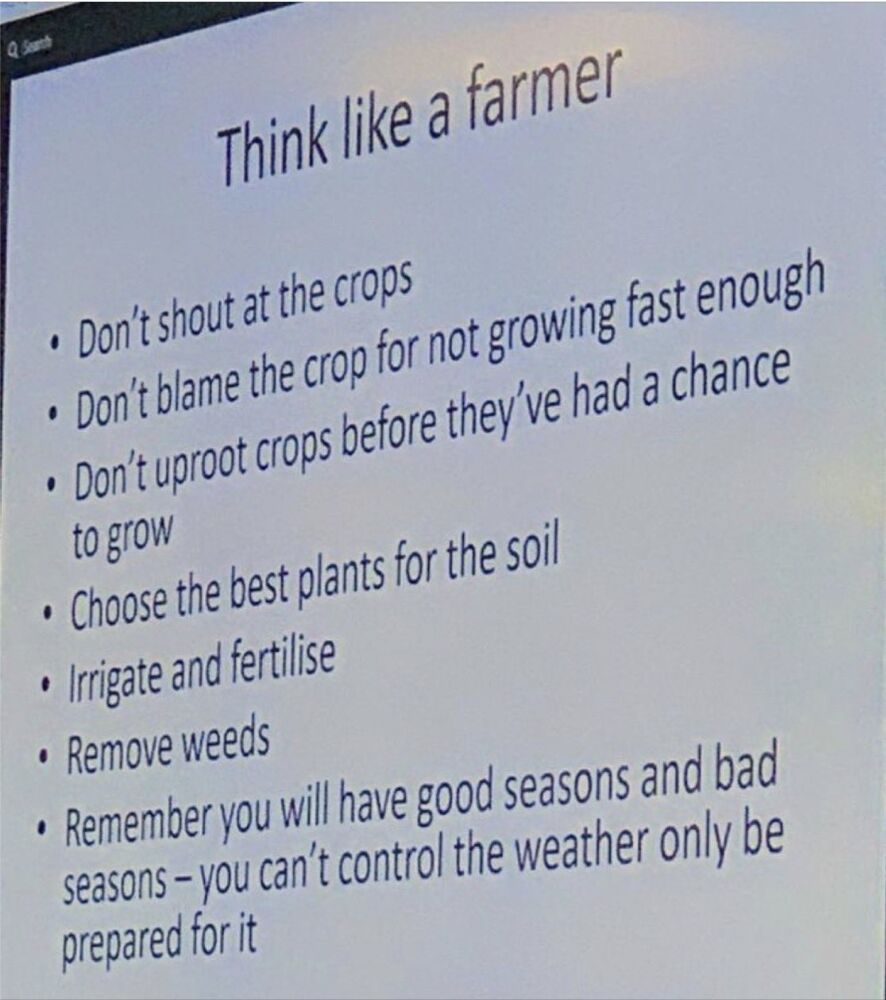
You don’t get better crops by yelling at the plants. So why do software engineering managers try and get better team velocity by “yelling” at their team?
It’s all too common to see managers take a page out of that “pressure” playbook. Any of these look familiar?
- Aggressive deadlines
- Tracking individual diffs or PR outputs
- Think adopting Agile is the silver bullet
- Assuming your team isn’t competent
- Blaming individuals or other teams
- Thinking one more coding tool is all that’s missing
The real secret is in how you prepare the ground.
A manager and team that obsesses with that preparation will win every time. And a lot of that work happens well before it’s time to “code.”
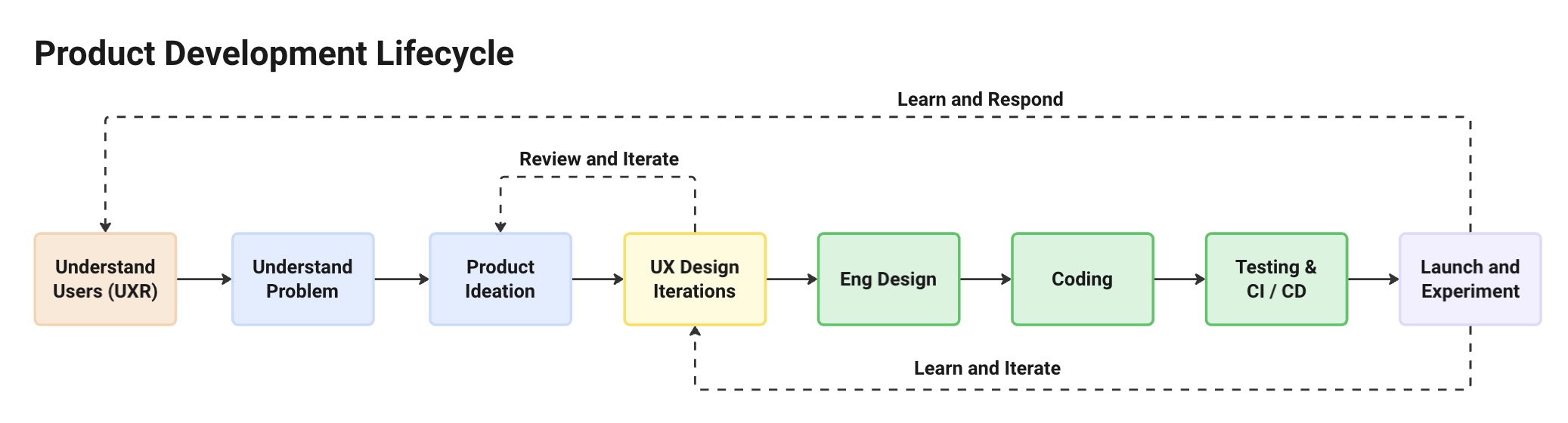
Applying Farming to Management
Let’s go through each aspect of “farming” and how it applies to engineering leadership
Don’t shout at the crops
Pressure tactics are among the least effective methods for gaining commitment. Your employees may do the task but they aren’t bought in. It can be used in emergencies for quick, short-term actions, but over-reliance will harm leadership effectiveness.
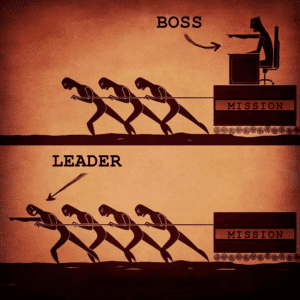
Are you the boss farmer or leader farmer?
Don’t jump to conclusions when progress stalls. Delays are rarely from lack of effort. Instead, it’s likely unclear requirements, shifting scope, or tech debt.
Don’t blame the crop
Getting instant results is rare. If the team isn’t humming right away, avoid that instinct to blame others. The answer is usually with you as the manager and how else you can improve the team setup. Velocity improves with clarity, tooling, and team trust.
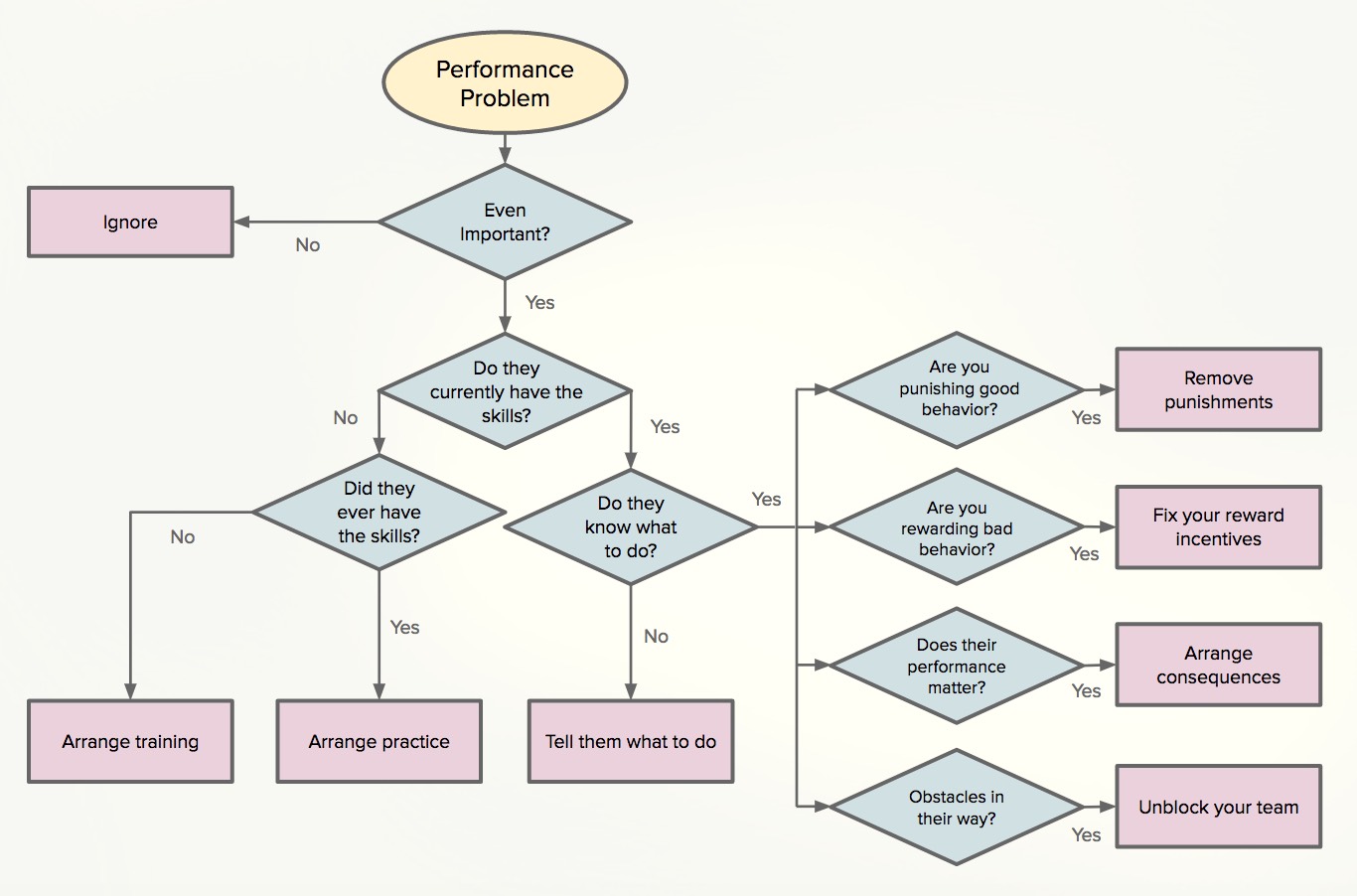
Be deliberate about finding the reasons behind a problem
Deliberate thought on what could be causing the slowdown removes the emotion and tendency to just blame others. But engineering and product development has ramp-up time: building team trust, setting up CI/CD tooling, cleaning up tech debt, improving flow.
Don’t uproot crops too early
Too much thrash kills overall velocity. Sprinting in a zig-zag will make less overall progress than clear focus on a solid plan.
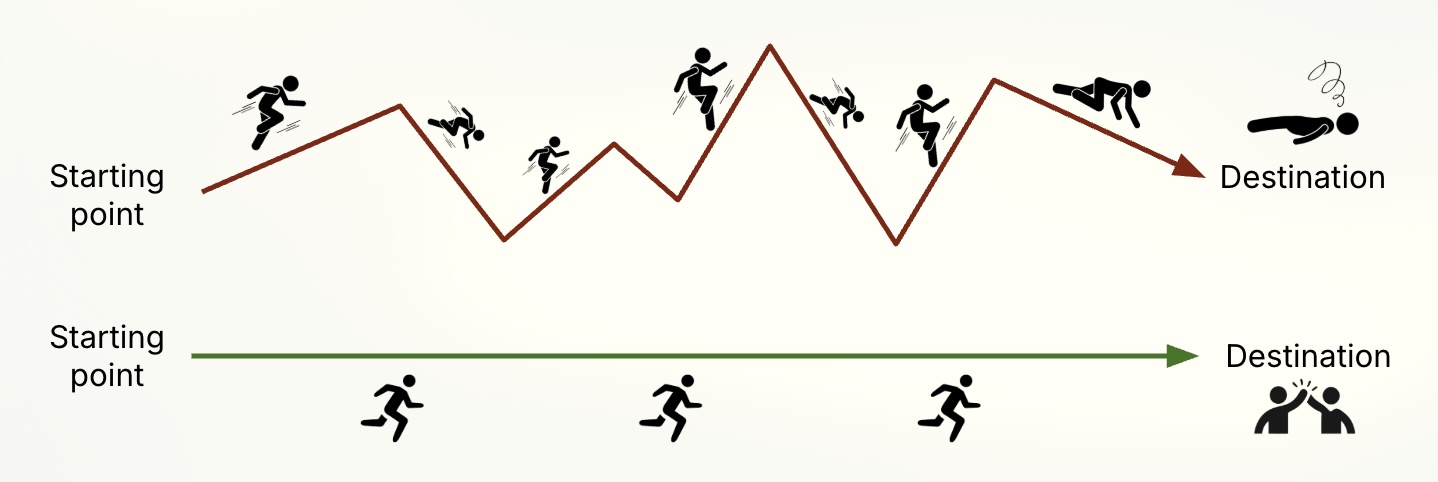
So you need to pick a direction, give the team enough runway, then evaluate. Disciplined “pivot vs persevere” decisions rather than knee-jerk changes.
The research backs this up. Google’s long-term study on the best managers noted that great managers set a crisp direction, make hard calls, and then empower the team to execute without micromanaging.
Choose the best plants for the soil
Match the right team, tech stack, and process to the problem space. 0->1 startups and enterprise-scale infra need different solutions. One-size-fits-all tools rarely work everywhere. Consider what part of the s-curve your team, org, or company is on and tailor the team, talent, and process as appropriate.
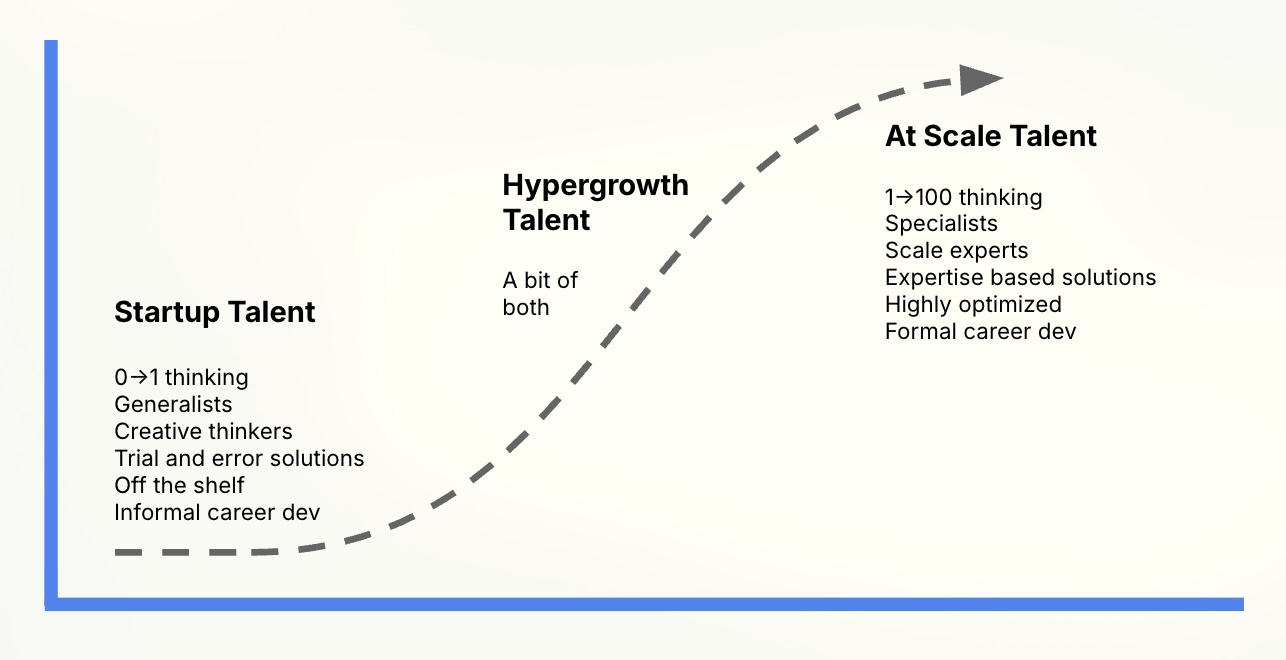
Different phases of the s-curve have very different needs.
Other considerations? Growth teams need a lean process and rapid experimentation. Platform or Infra teams need more structured process, metrics around reliability. Product teams need a healthy mix of them all. You wouldn’t start a basketball team of all centers would you?
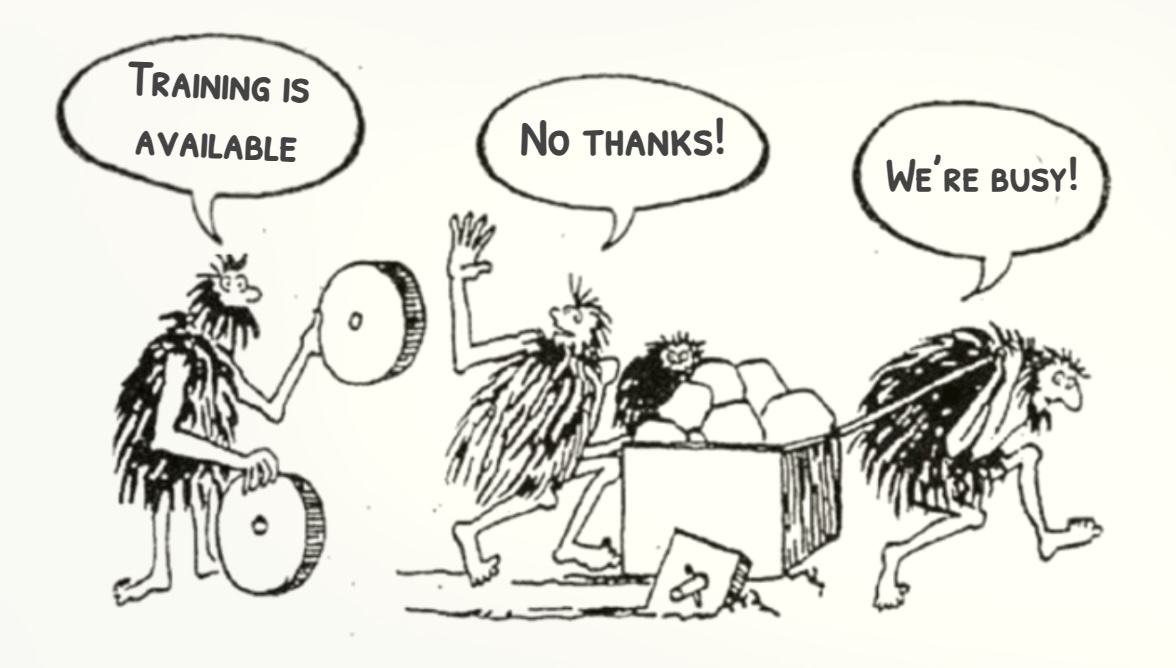
Irrigate and fertilize
Invest in your teams with mentorship, better tools, and clear strategy. Provide support and direction to keep your org healthy and productive. Focus on building a great team later vs. a good team today.
Top managers focus on upskilling their teams, focus on career development, and creating healthy working environments.
Remove weeds
Leaders unblock their team, get rid of bad processes, unclear roles, or unnecessary meetings. Weeds choke growth just like layers and layers of bureaucracy.
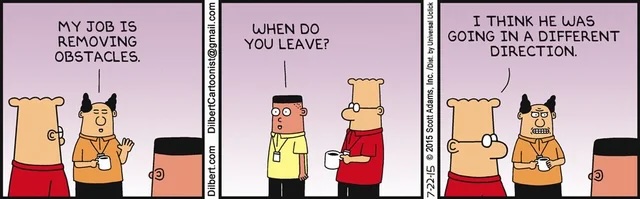
Even you as the manager might the biggest blocker
Remember you will have good seasons and bad seasons
Build a culture of resilience. Build slack into your plans, and stay flexible as markets change.
Keeping a team at high stress throughout the year leads to burnout and a reduced ability to react to unplanned events. At the same time, keeping a team too calm can lead to complacency and also leaves them ill-equipped to respond when something unexpected happens.
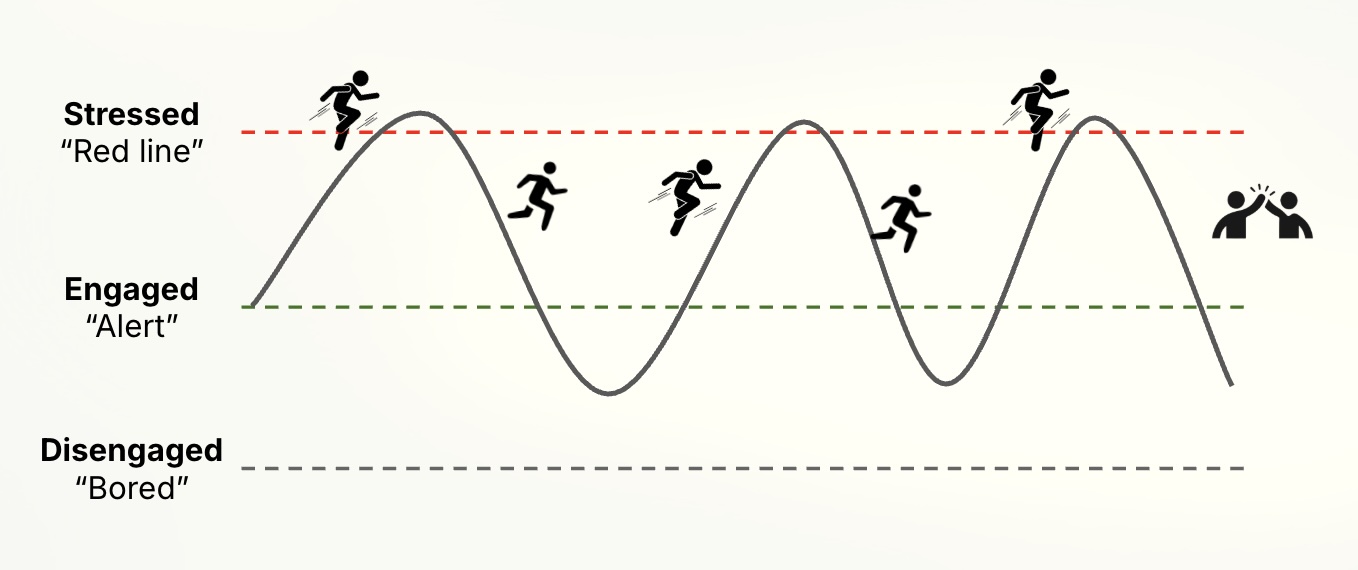
The sine-wave approach can often be optimal
The key to fostering resilience is routine and predictability, paired with intentional doses of stress: moments of challenge where the team is pushed. When those moments are spaced and purposeful, the next challenge is absorbed better. This “sine-wave” approach keeps your team on their toes while avoiding burnout and sustained low performance.
Want Better Team Performance? Start with Yourself
So while you can focus on better coding tools, better sprint processes, and track team output, if you want to truly unlock better performance, start with yourself.
When you analyze the reasons for poor individual or team performance, you’ll often find you have most of the answers.
Are you…
- Obsessing about your business strategy?
- Understanding your customers?
- Thinking about org design?
- Ensuring your coaching and hiring the right people?
- Unblocking and aligning your team?
- Ensuring the team is creating a good extensible architecture?
- Thinking about practical processes for your team / phase / industry?
Nail those inputs and your team’s output will zip!
You May Also Enjoy
Is Ralph Wiggum the Future of Coding?Autonomous AI coding doesn't fail because models aren't smart enough. It fails because we give them too much context, vague g... |
Finding the Reasons for your Team's Performance ProblemsGreat managers strive to create high performing teams. So if they observe or are presented with a problem with an employee, t... |