Is Ralph Wiggum the Future of Coding?
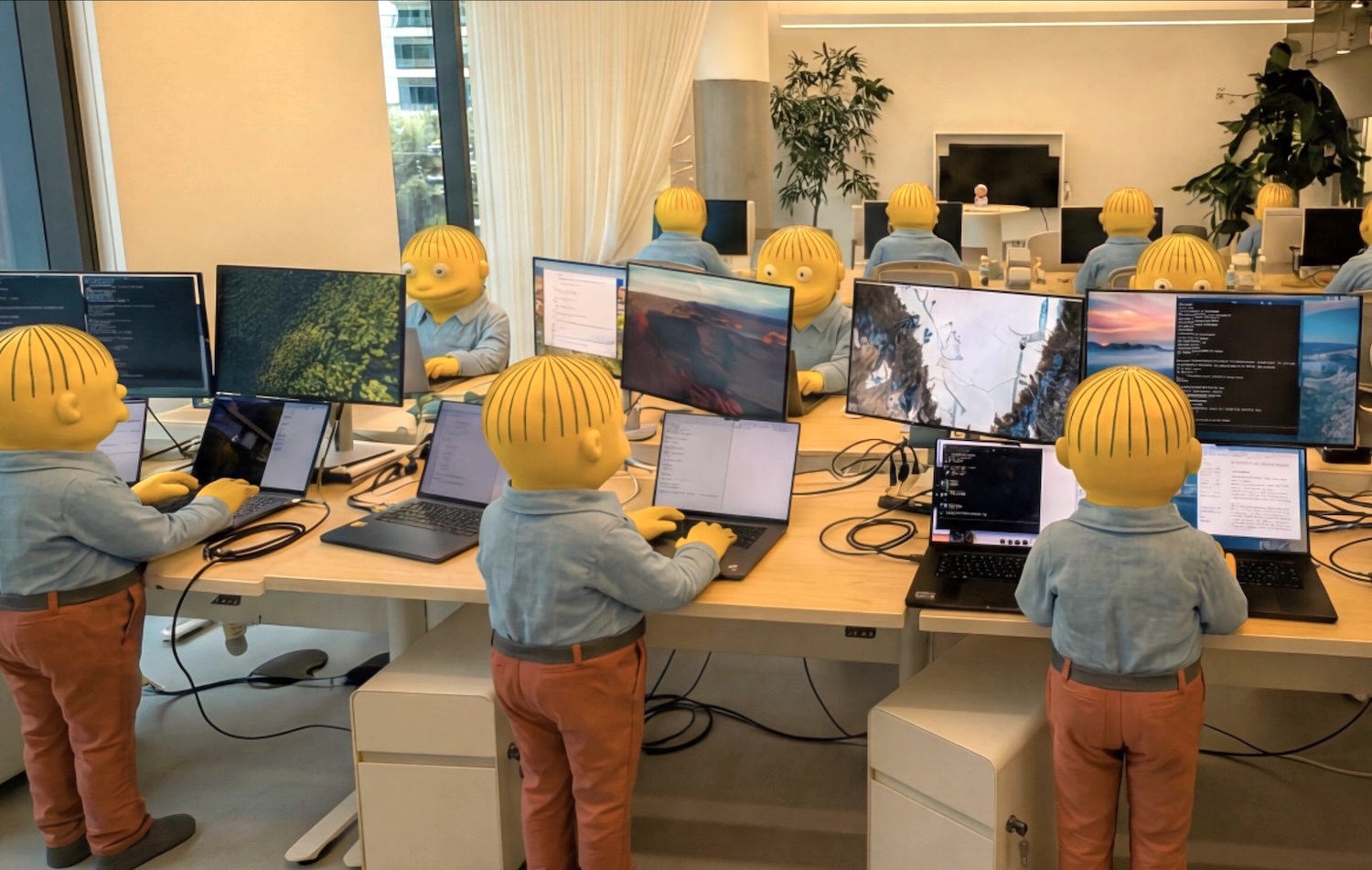
Imagine kicking off a refactor before bed and waking up to code that compiles, passes tests, and is already committed. No babysitting. No prompting “try again”. Just progress.
That sounds like the promise of autonomous AI coding we’ve been hearing for years. The difference is that this version may actually work.
The trick isn’t a new model or a breakthrough in reasoning. It’s something much simpler. People are calling it the Ralph Wiggum approach, created by Geoffrey Huntley.
Why We Need This - The Weakness of LLMs
If you’ve spent time with AI coding agents, you’ve probably hit the same wall I have. The model starts strong, then slowly degrades. It forgets constraints. Reintroduces bugs it already fixed. Works great for new projects but struggles as the codebase grows.
Better agents and models like Claude code and Opus help, but the problem remains.
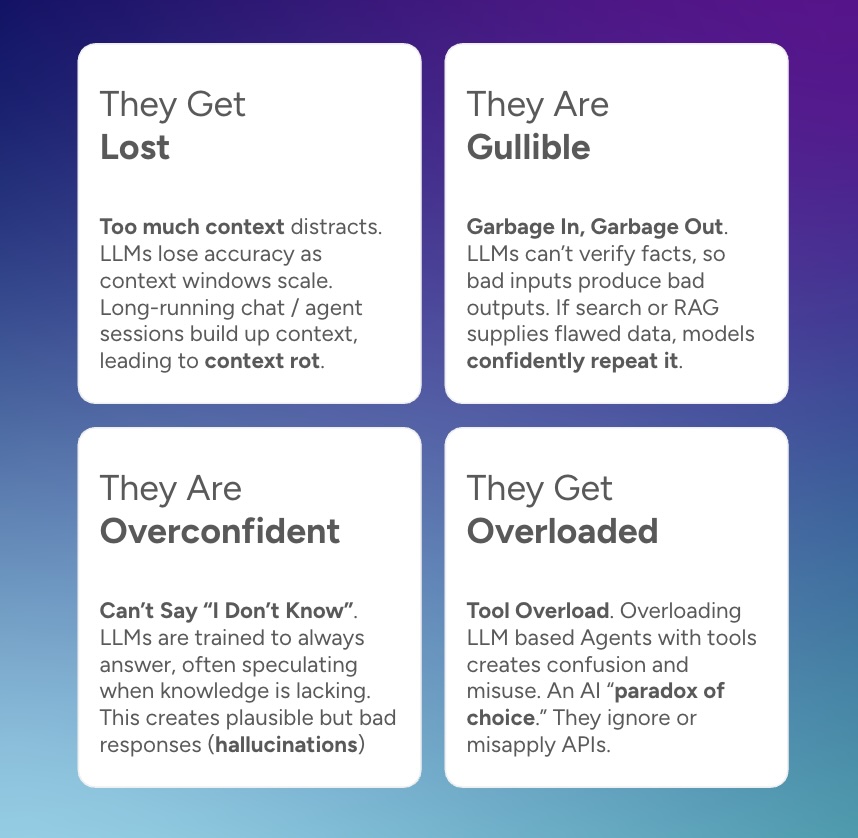
These issues are related to fundamental limitations of LLMs. In my post The 4 Ways LLMs fail, I describe how LLMs struggle when given too much context. Benchmarks like NoLiMa show that accuracy degradation. It doesn’t matter if the input document is too large, you’re calling too many tools, your agent has been looping and adding too much context, or your codebase is growing in size and complexity. It’s all the same issue. And it’s been popularized as context rot.
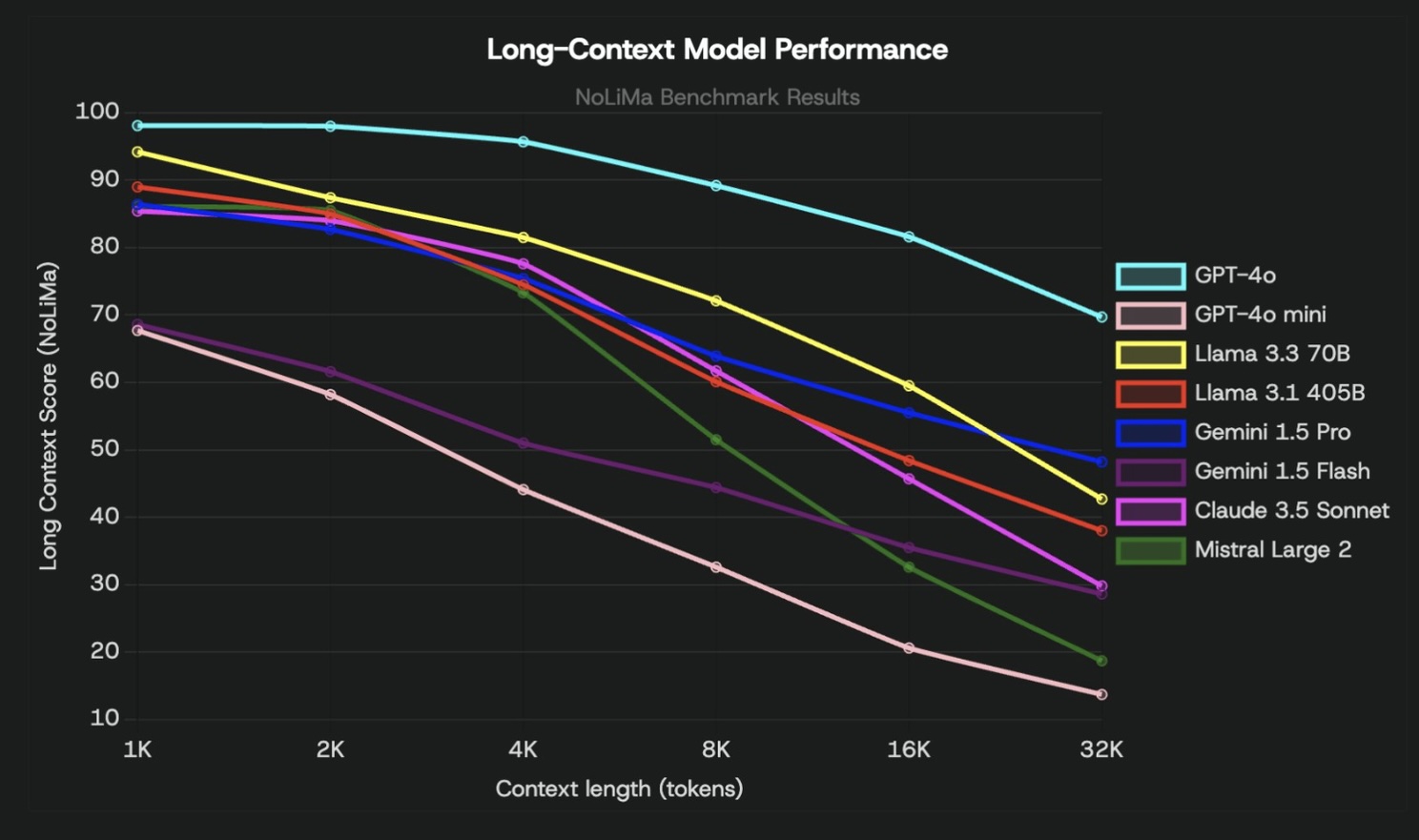
This is why the concept of context engineering has burst onto the scene. It’s critical to give an LLM the perfect amount of context to do its job and nothing more (avoid that dumb zone!).
So to code in the most effective way, you need to engineer the context you provide your coding agents to be super precise. You need to keep your tasks tight, crispy defined, and with very clear success criteria (you know…tests).
And if you do that, you can keep running those tasks in a loop until they are complete. And if you have a number of tasks defined? You can have those tasks running while you sleep. That’s the Ralph Wiggum approach.
The Ralph Wiggum Approach
The name comes from the Simpsons character Ralph Wiggum. He keeps trying, no matter what. That’s kinda the whole philosophy.
“In its purest form, Ralph is a Bash loop.”
Geoffrey Huntley, creator of Ralph
Wait, are you really just running your coding prompt over and over and over until it’s done? Isn’t that just the “try again” approach in vibe coding?
Well not exactly. It isn’t just a prompt in a loop. Because if you did that, you’ll still hit those context rot issues. And your prompt might loop forever fixing one issue and introducing another…
What It Actually Is
The Ralph Wiggum approach requires a healthy amount of upfront work. You’ll want to break your work into smaller work items.
Think about the world of your team working on a 2-week sprint. You spend the first day documenting all the tasks that need to get done (and the smaller the task the better). Then each developer grabs a task, works on it, and when done checks it in, and once all tests pass and it’s committed, they move onto the next task.
That’s the right way to Ralph Wiggum.
In practice, it looks something like this:
- Give the agent a clear, bounded task
- Define a hard completion signal (tests pass, specific output, etc)
- Let it loop until it succeeds or hits a cap
Overall progress also doesn’t live in the ongoing agent conversation. It lives outside the model. You write progress to a file in the filesystem and use git commits. Then, each iteration can reference that info and start over in a clean context window.
A clean and precise context window will guarantee the most success out of your LLM coding agent. That’s why this approach works.
Why This Matters - The Future of Software Engineering?
What’s interesting about Ralph isn’t the loop itself. It’s what it represents.
Software engineering isn’t just about the code. There’s a whole lifecycle that starts with understanding your users, figuring out requirements, deciding the UX design, thinking about architecture, finally getting it out to your users, etc.
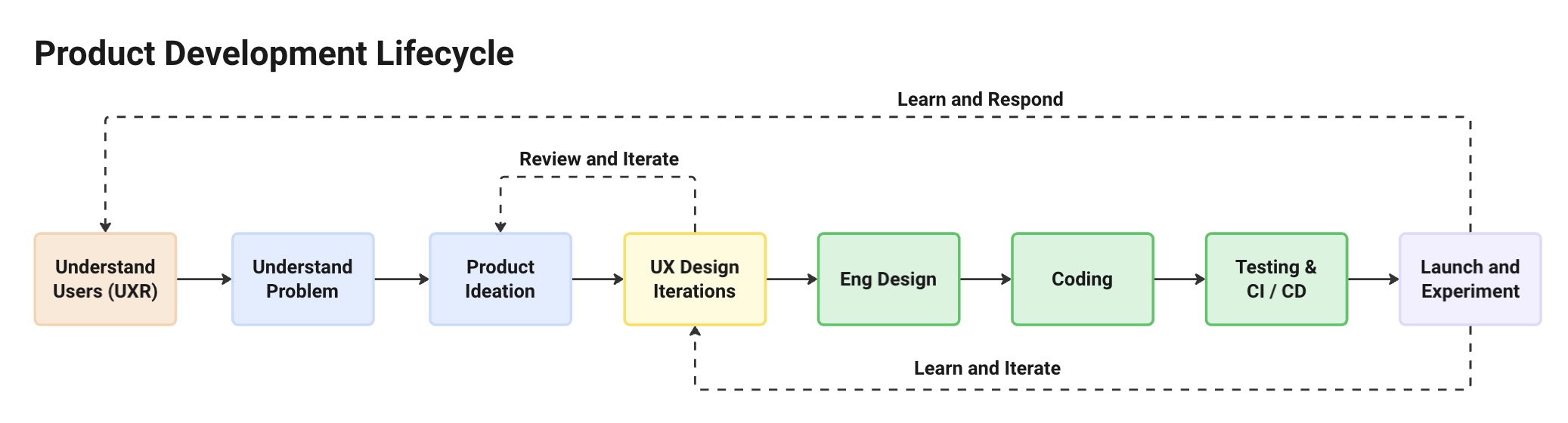
As AI starts to change how we do coding, it puts pressure on the left side and right side of the “coding” step in the product development lifecycle. And this is especially true as coding becomes more autonomous using techniques like Ralph.
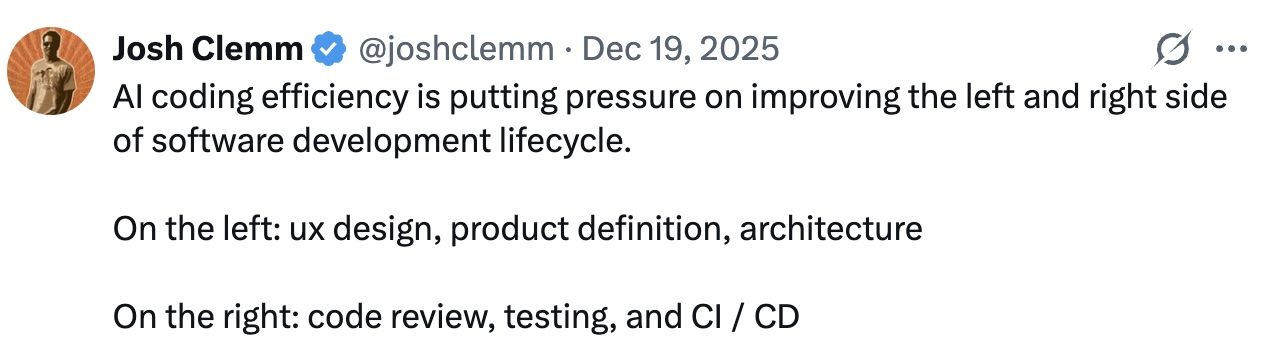
Teams that are deliberate on that left side in defining the right inputs will get the better outputs. Think better PRDs, better specs, and better exit criteria.
And teams that are deliberate on the right side in understanding how to validate the outputs will succeed in delivering more solutions faster. Think robust testing cultures, automated and comprehensive QA, and strong CI/CD practices.
Autonomy may not come from bigger prompts or longer context windows (or looping). It will likely come from process, culture, and being deliberate.
The craft is changing. We’re moving more towards the world of farming. We’re going to need to obsess about the inputs, the architecture, the users, and then understand how to validate if it works. And if it doesn’t, have a learning culture, adjust our inputs, and try again!

Is the future engineer more similar with a farmer?
Conclusion
The Ralph Wiggum approach works because it respects the limits of today’s models instead of fighting them.
Short contexts. Clear goals. Relentless iteration.
Write a good spec. Start the loop. Go to sleep.
If you did your job upfront and were deliberate in inputs and tests, you might wake up to working code.
And a very different way of building software.

You May Also Enjoy
The Next AI Breakthrough Is Old-Fashioned Software EngineeringThe next AI breakthrough won't be smarter models but reliable ones. Like self-driving cars, progress of AI agents means consi... |
The 4 Ways LLMs FailLarge language models (LLMs) and AI agents that use them often get lauded as magic. But anyone using them in production or se... |